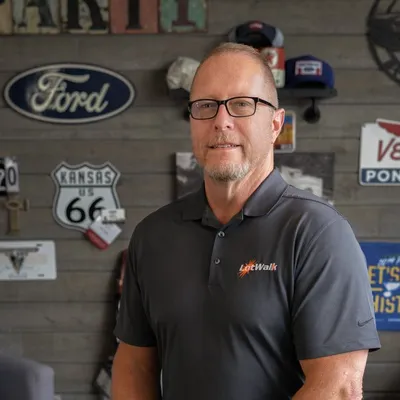
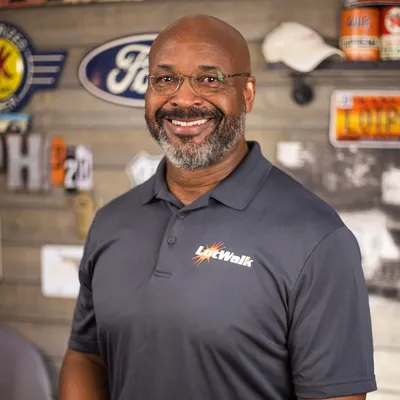
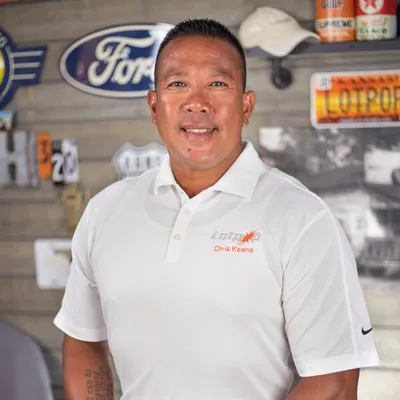
Full video episodes now live on the LotTalk YouTube channel.
Watch on YouTubeThe gap between average stores and great ones is not data, it is the discipline to act on it. The hosts dissect a real example: a successful DFW dealership dropped prices on two vehicles by a combined $9,000 even though both had five active leads sitting on them since day one at the original price, an $18,000 kick in the pants that a simple check-leads-before-repricing procedure would have prevented. A customer who sends a lead at the day-one price is telling you it is not a pricing problem, and at roughly $250 per lead nationwide, ignoring those hand-raisers to chase a price change is self-inflicted margin compression. The fix is a clear, written standard operating procedure for every position, the discipline to follow it daily, and leadership that inspects what it expects, because your data already reflects your market and your people. As one Lotpop performance engineer put it: this is not a traffic problem or a market problem, it is a standards problem.
What you'll walk away with
- Two vehicles, five active leads each, and a $9,000 price drop nobody needed. John's conversation with a DFW general manager: leads sat on both units since day one at the original price, but the store repriced instead of working the customers. The hosts call it an $18,000 kick in the pants, and the fix is checking leads before touching price.
- A lead at the day-one price means it is not a pricing problem. The customer raising their hand told you the price works. With the average lead costing about $250 nationwide, follow up with quality and consistency before you give away gross. Reprice only the inventory with no leads and no switch opportunities.
- This is not a traffic problem or a market problem. It is a standards problem. John read the internal directive from Lotpop performance engineer John Roswick live on air: small lapses turn into big losses, and what you tolerate becomes your culture.
- The day-one mentality is quietly aging your inventory. A car bought, transported, and reconditioned can hit the market on day 29 to 33 while the manager still treats it as new. Most sales managers are not paid on net, so nobody feels the cost of those lost first-30-days dollars.
- 'Our people are different' is not an excuse. Your numbers already are your people. Chris's hammer line: the data you are looking at is a reflection of the people in your market. In our store, in our market, with our people means the analytics are local by definition, so trust them over your gut.
Episode chapters
Jump to the part you need. Timestamps match the audio and video.
- 0:00Cold openWhat made Chris say it this week.
- 1:13Why this week is a recapThe Frank Knox and Brian Benstock episodes hit a nerve.
- 3:46Data and disciplineFrank Knox's closing point: the numbers never lie, your gut will.
- 8:11Analytics changed football. It changed car deals too.Fourth and short, and the standards problem memo read live on air.
- 10:58Where gut still fitsTrade for everything, then let the data set the exit at day 20.
- 14:11Three truckloads of high-line in MartinsvilleJohn's story about finding a market when the data does not exist yet.
- 16:52The hope factor and the day-one mentalityManagers not paid on net, day 31 negatives, and recon delays.
- 23:08Do you have an SOP, and is it clear?No discipline is possible without a written, understood procedure.
- 25:00The $18,000 lessonTwo vehicles, five leads each, $9,000 in discounts nobody needed.
- 29:50The first 30 days question every dealer agrees withSo why is every excuse tolerated past day 30?
- 34:42'Our people are different.' Miss me with that.Your numbers are a reflection of your market's people.
- 38:55Partners vs. vendorsA partner has skin in the game and tells you what should keep you up at night.
- 44:30The virtual lot challengeApply showroom urgency to your CRM conversations.
- 49:32The Nick Saban closeReview the film after wins too; clarity and discipline wrap the show.
Why this episode has no guest
After back-to-back conversations with Frank Knox on acquisition and Brian Benstock on tech stacks and leadership, the response was big enough that the hosts spent this week pulling the common thread out of both: data plus discipline beats gut instinct, every time. Renaldo sets the tone early. The numbers never lie. People will lie every day, and your gut will lie to you every day, but the right metrics looked at without emotion always prove out.
Mid-show, John reads a message that landed on Lotpop's internal channel while they were recording, a weekly leadership accountability directive from performance engineer John Roswick: this is not a traffic problem, this is not a market problem, this is a standards problem. Small lapses turn into big losses, and what we tolerate becomes our culture. That line becomes the spine of the whole episode.
Where gut still has a seat at the table
John pushes back before anyone gets dogmatic. If a trade crosses his desk on a vehicle his store has never sold, there is no my-store data to lean on yet. His move: count yourself a best end user on everything in a sourcing-starved market, take the shot at retail, and let the data set the exit. No lead by day 20? It goes somewhere else. He backs it with the Martinsville story: three truckloads of Mercedes, BMW, Audi, and Jaguar rolling onto a CDJR lot with a sub-$20,000 average transaction price, on the owner's gut, bought right, and the store found the market. The lesson is not that gut wins. It is that gut gets a defined window, and the data decides when the window closes.
The $18,000 lesson
The centerpiece is a real conversation John had with the general manager of a highly successful DFW dealership. Two vehicles had been discounted multiple times, a combined $9,000 in drops. Both had five active leads, hand-raisers in the community, sitting on them since day one at the original price. The leads had been contacted, but without consistency or quality. The hosts call it an $18,000 kick in the pants.
You got a customer that sends you a lead on a vehicle at day one price, then it's not a pricing problem. The customer, by the very nature of sending you a lead, is telling you it's not a pricing problem.
Renaldo lays out the procedure that prevents it: look at the vehicle, check for leads. Leads present? Work them, maybe adjust photos or description, and move on. No leads? Now dig into the market data on positioning. That is the whole discipline, and most stores skip it because the inventory tool points at a price change and the price change is the path of least resistance. At roughly $250 per lead nationwide, repricing past live customers is how stores manufacture their own margin compression and then blame the market.
The day-one mentality
John names the pattern that lets aged units hide in plain sight. A vehicle gets purchased, transported, reconditioned for five to nine days, photographed, described, and finally hits the market at 105 percent of market on day 29 through 33, while the manager still talks about it like a fresh unit. Most sales managers are not paid on net, so nobody at the desk feels what another 10, 15, 20 days of holding costs. Every dealer the hosts onboard agrees the most money is made in the first 30 days. Not one has ever disagreed. So why is every excuse past day 30 tolerated?
'Our people are different.' Miss me with that.
A dealer told John that week: regardless of what you say, the customers are different in our area. Chris's response is the episode's hammer. Your people are different, correct. But the data you are looking at is a reflection of those exact people in your market. Your numbers are your numbers, with your people. That is the whole point of 'in our store, in our market, with our people': the analytics are local by definition, which removes the last excuse for managing by gut. Benstock's standard from the prior week applies here too. 'I can't get my people to do that' never leaves the mouth of a leader with a clear standard.
Partners, not vendors
The closing stretch picks up Benstock's distinction: a partner has skin in the game. Chris's definition: a vendor fills your pop machine and swaps your floor mats; a partner drives transactions with you, listens, and tells you what should be keeping you up at night, not just what already is. The flip side lands on dealers: hold your third parties accountable for transactions, and give them a fair chance to be told how you want to be served, before the budget-cut whack-a-mole call comes from corporate.
The Monday-morning action plan
The hosts left specific homework:
- Run the lead check before every price change. Pull every unit flagged for repricing and check for active leads and switch opportunities first. A lead at the current price means work the customer, not the number.
- Write the SOP down. For every position, salesperson to C-suite: do I have a standard operating procedure for this situation, and is it clear? No clarity, no right to be mad about no discipline.
- Kill the day-one mentality. Age starts at purchase, not at lot arrival. Track recon days and get units to market fast enough that the first 30 days actually exist. See how to calculate turn rate if you need the math.
- Take John's virtual lot challenge. Decide how fast you would want a couple on your physical lot greeted, then open your CRM and ask whether your team treats online customers with the same urgency. Managers who never read CRM conversations are repricing vehicles they should not touch.
- Review the film after wins too. Chris's Nick Saban point: blowout or close win, the film gets watched. The mistakes you ignore during good years are the ones you pay for three to five years later when net-to-gross reverts to reality.
Get insights like this every week
Join the Insider Newsletter. Inventory tactics, podcast recaps, and dealer strategies. No fluff.
Transcript is auto-generated from the episode recording and lightly formatted. It may contain transcription errors.
Chris Keene (00:00): In this week's episode, we find out what made Chris say this. And miss me with that of but our people are different.
Chris Keene (00:12): Well, here you are, folks. You have made it back. This is Lot Talk powered by Lot Pop. I'm Chris Keene, one of your co-hosts, and joined by the absolutely most gentleman-like people you'll ever meet your life, Mr. John Anderson, Mr. Ronaldo Leonard. Good afternoon, gentlemen. How in the heck are we doing?
Renaldo Leonard (00:30): You know me, if I were doing any better, I'd have to be twins to take it.
John Anderson (00:36): Yes. doing any better, if I was doing any better, there'd be three of me, and nobody wants that. So, yeah, so yeah.
Chris Keene (00:44): Lord have mercy. Boy, could you Could you imagine that? Yes. a people, a people, and a popo. You have three Hey, you have three three curmudgeons. Lord have mercy. Exactly. We We wouldn't even be able to talk. We'd be arguing with each other all the time. Hey. I think the world would be a lot better off, though, to be honest. with Michael Keaton? The movie with Michael Keaton back in the early '90s, Multiplicity or some like that?
John Anderson (01:10): Multiplicity. Yeah, Multiplicity.
Chris Keene (01:13): Yeah, see, it would be three crazy renditions of Anderson. You know. And that would uh gives me shivers, man. Let's move on. Let's move on. Well, listen, viewers and listeners, okay? We have had you know, prior to this episode this week, we had two really strong strong strong strong thought leaders and overall automotive industry experts. Mr. Brian Benstock last week, Mr. Frank Knox the week before. You know, the week before we were talking about inventory acquisitions and you know, where some of the I'm going to just loosely say this, but failures that we do and we have inside of our business, you know, Frank really helped unpack a lot of that. And you know, we've had Frank on before, and Aldo, and John, and and he is always just such great insight to bring on when it comes to the acquisition because arguably, I mean, he's one of the founding fathers, if you will, of acquisition from a direct from consumer, you know, and when he was with that CarMax model for what was it, 15, 16 years, 17 years. And then of course, you know, his his tenure with OffLeaseOnly, and then now, you know, everything with Acquire, and everything with all the adventures he is on, really cascading at a at a even more vocal platform. So, love to have him. Last week we had Benstock, you know, because of one of his posts he had out there on LinkedIn, you know, about all these different tech stacks and the confusion and having to have 37 different tabs open when trying to work one damn car deal. And you per usual, you know, our conversation kind of morphed into a bunch of different places, but we stayed along that theme of of that thread. But today, listeners and viewers, you know, over the last week, you know, we'd been looking at the response rate from both of those different podcasts that we had. And both of them getting just an amazing amount of views, an amazing amount of responses from them. So, instead of having another guest on this week, which we have a laundry list of just great experts to be able to share great insights with us, we wanted to kind of roll back in time two weeks, and then roll back in time to last week, and kind of re-highlight and talk about some of the things that we picked up on, that we saw that was really important. And if you didn't catch them, go to lottalkpodcast.com, and then you'll be able to review and watch those. Fast forward to the parts that you want to listen about and uh you can find Frank Knox talks and Frank Frank Knox is again listen to him again. But Noldo, John, you one of the things that I really liked and I'm looking at my notes here and all these different takeaways that we got from Frank Knox. The very last one and John I know you weren't on it but it's going to make a lot of sense to you. He talked about having data but also discipline. Discipline you use the data versus the gut in your acquisition process. Noldo, do you want to unpack that a little bit more for the viewers and listeners?
Renaldo Leonard (04:23): Go back Well, so we've seen it time and time again and in our industry we all got an early start and we're surrounded by some pretty some pretty impressive individuals that taught us to think critically and to use data to base decisions on. Mhm. Um but unfortunately because it does take a little bit of work to be able to drill things down to their basics and the key metrics that are really going to be impactful that you're basing those decisions on, the majority of people would rather rely on that thing that they're throwing Maalox down four times a day. I got a feeling in my gut. Dude, that's indigestion or an ulcer. But when the you know, the data and the facts um will always tell you probability of success. You see it everywhere, you How many times have we watched a ball game and somebody talks about the analytics tell us to do this or he made that ball because the analytic analytics say that you don't punt in that situation. It's because the numbers never lie. People will lie every day. Your gut will lie to you every day. But the one thing that's always going to prove out is that if you're using the right metrics and looking at situations, you know, without any emotion involved, use the data. You're going to come out ahead because the statistical data always proves out. And Frank, I mean, I'm astounded every time I listen to him talk because he has such a rap and such a fix on where he's gathering the right data to perform for a dealer. And then he knows exactly how to execute on the data that he's seeing to put a dealer in the best position when it comes to acquisition. Mhm. It amazes me and it astounds me. I I do it myself sometimes. Yeah. You cannot You don't have statistical analysis for every situation that you walked into. And I'll sit back and I'm like, "Dude, that just wasn't a It wasn't a bright decision. Why did you do it that way?" But when we sit down and we talk to Frank and he goes into all of the data that he he uses and the success that he has for the dealers that he works with, you know, it's no question why. He's a thought leader because he gets it. And he's not trying to find a shortcut uh to get from point A to point B. He knows the route. He relies on it, sticks with it, and that's where he gets the success that he's seeing. And so I hope that's what you were drilling towards.
Chris Keene (07:09): No, I mean, that's spot on. That's absolutely spot on. And Anderson, you know, again, I know you weren't on that podcast with us. You was You were taking some well-needed rest and relaxation and time off. But just those two words in its own, data and discipline, okay? And of course you heard Ronaldo, you know, unpack a little bit of what Frank talked about inside there. But in terms of acquisition, in terms of data, in terms of discipline, you know, you're a very disciplined individual in the things that you do. I mean, think about that what we see each and every day, every week, every month, every year with the amount of dealers that you know, we talk to. Not as much as you know, our performance engineers as many as they talked to but we John, arguably we probably spend between the three of us on this call here, no less than four to five hours a day on calls with dealers. But thinking about that data, thinking about that discipline and then pointing that toward acquisition, but more specific to that discipline side of it, what your thoughts on that?
John Anderson (08:11): It's interesting. I got a lot of thoughts, you know, I think about Ronaldo using the sports analogy, right? With the with the data, right? I don't I was entertaining while he was talking cuz I it, you know, think about the data side of it coming into sports analytics, right? I don't remember I've been around a while, brother. I don't remember up until the last two or three Yeah. up until the last two or three years, how many times you see NFL teams go for it on fourth and short as many times as you see in the last three to five years, right? I don't remember ever seeing that happen a bunch, right? But now the now the analytics have come into it and they say, "Okay, you should now you got coaches that if it's within fourth and fourth and five or shorter, they're going for it every time, right? And I used to never see that. Right. You used to never see that. So, you know, that I was thinking about that example, right? There's analytics coming into it and that's changed the whole game from a perspective of of going for it on fourth down. That used to be an automatic that used to be an automatic field goal. Now these guys get down there and they're they're going for it, right? And so, that's an analytics change and and then I was just thinking about, you know, again back to the point of how long I've been around, right? We didn't have analytics back in my day and so, you know, it was merely gut and what you could remember, you know, what you could remember about your previous months or what you took notes on that you'd go back and reference, right? But it was you were purely acting on, you know, gut when you were working deals, buying cars at auction, trying to manage things, right? And even though you were having meetings, right? Everybody in a meeting was working on you know, you you had a certain amount of data that you could pull from your dealership to look at, but mostly it was it was you were talking about gut and and history. Mhm. And now we have all this data available to us. And I think, you know, it's interesting while we've been talking, I got a notification. I know I know I'm supposed to have those turned off, but I got a notification and it was on our it was on our internal channel and one of our PEs, John Roswick, posted weekly leadership account accountability directive. Let's be clear about something. This is not a traffic problem. This is not a market problem. This is a standards problem. In this environment, small lapses turn into big losses. What we tolerate becomes our culture, right? So, when we're talking about what we're talking about and you're alluding to Frank and and, you know, finding acquiring inventory, right? What's your standard on that? You know, do you are you do you have a standard? Uh are you using mostly gut? And and and, you know, with all the data and with everything available to us now, why would you use all why would you use gut, right? You know, I I I I I understand there has to be a certain amount, you know.
Chris Keene (10:55): But but hold on, John. Does there?
John Anderson (10:58): Because, you know, I'm just saying I'm just saying from a from a you know, just use an example of sourcing, right? If I'm if I'm sitting in the chair again, right? I'm on trade for everything, right? I'm on everything there's not going to be a trade that comes across my desk that I'm not going to go after and try to get a deal, right? Okay. And and so, I would I would submit to you that knowing me the way I am, I'm going to I'm going to try to retail everything. I'm going to take a shot at it, right? And I might lean a little bit on my gut more as opposed to looking at the actual looking for the actual data, right? If I don't If I If I trade for a vehicle that I've had no experience with, I don't really have a lot of data to to to look at from a perspective of like we always talk about Chris and Ronaldo, my store with my people in my market, right? I can go I can find data on that car and and or that vehicle and see how that vehicle's performing, right? But I don't know if it's something new to my store, I don't know how it performs at my store. So, when I was alluding to gut, Chris, that's what I meant is I might I might use a little bit of gut there to go, "Okay, I'm cuz I'm I'm not good I know we have a I know we have an industry that there's a lot of talk about establishing right off the bat best in user, right?" And I do I do agree with that, but if I'm sitting in a store and everybody's talking about this right now, right? Everybody's talking about sourcing issues, right? So, if I'm sitting in a store today, I'm going to count myself as a best in user on everything. Now, what I need to do is determine a I need to determine where I draw the line in the sand, right? If I don't If I don't have a lead on that If I put that vehicle If I put that vehicle retail-wise and I don't have a lead on it by day 20, it needs to go somewhere, right? Other than my store, right? I'm I'm throwing a I'm throwing a number out I'm throwing a number out there, right? And that's where the data can come in. That's where the data can come in, right?
Chris Keene (12:53): your gut. But see, you're not using your gut and this is what I don't want people to get misinterpreted because John, for the last 9 years that you've worked for Lot Pop, and for the several years before you worked for Lot Pop when you had Jasen Rice in your ear as your virtual, you know, used car assistant manager, you don't use gut. You You said, "I got a standard operating procedure and I'm going to trade for every vehicle. And if I haven't had experience with it, it doesn't matter. I'm going to trade for it. But what you just said was is I know I don't have experience with it. I get to day 14. I get to day 20, 21. Now I've got an exit strategy. But that's what I'm talking about is sometimes we divert from the actual discipline because you've got the data that showed you I'm not a good end user on this because I don't have any data on this. But yet, here's what this thing is doing in the wholesale market. But I want to try to redefine my market and see if there's an appetite in my market for this vehicle. And if there's not, I'm going to punt on day 20, 21. Those are the disciplines right there.
John Anderson (14:11): Yeah. And I think we're talking about two different things, Chris. I understand what you're saying. I was just My My reference to gut was my gut saying My gut saying, "Hey, let's try this here regardless, right?" Yes. Yes. But here's the thing. Look, personally I had success with that. And And And I'm going to tell the story. I I had an owner one time I'm Keep in mind I'm in Martinsville, Indiana, right? It's between Indianapolis and Bloomington, Indiana. I'm at a CDJR store, right? With an average with an average transaction price little less than 20 grand, right? And I'm sitting bright sunny Saturday morning just started ready to rock and roll. I'm sitting up at the sales desk with the managers or you know, we're doing as we do coffee and cutting it up a little bit. And all of a sudden I see All of a sudden I see three truckloads of Mercedes-Benz, BMWs, Audis, and Jaguars roll on the lot. And so I pick I pick I pick up the phone and call the owner and go Tom uh We just had three truck loads of uh high line vehicles pull on the lot here in Martinsville. They got the wrong address. Where did you want those to go? Where did you intend those to go? And he goes, "They're where I intended them go. Get them off the truck and sell them, right?" And so Right? And they're all moving for 20 grand, right? So that So that that was that was a major gut move, right? That Now, he's down in you know, he was down in Florida where where his home was at and he did buy them right. And he got he got a good deal on them. He bought them right, right? But what he was telling me is I know you don't have any experience with it. But find a market, right? And we did. We did. But that's what I meant as far as gut wise, right? You where you going and you gut things and you try it. But to your point, Chris, right? And to what what Frank was saying, I think you I wasn't on that call, but man, look, with everything that's available to us nowadays, man, you you got you got to have a standard that you set and apply apply you got to apply the the data that you know. Look, if Here's what astounds me and I know I'm taking a while here, but here's what astounds me. We've got all the data We've got all the data We've got all the data and we meet with our dealers, right? And and and you're you're talking with a dealer and and week after week and you're seeing inventory that you know they're taking chances on and they're just letting sit where the data says something completely different, right? And that's where
Chris Keene (16:48): That's not a discipline. That's not a discipline. You're right.
John Anderson (16:52): That that is that is the that is the hope factor. Right. That's That's all it is. And hope is And then on top of that, I'm sorry, Ronaldo. On top of that, right? Here's a Here's the issue, right? Most of Most sales managers, yeah, sales managers, I'm talking about you right now, right? Most sales managers don't get paid on net. So they're not thinking about the outcome of that vehicle sitting another 10, 15, 20 days, right? Our our good friend Tommy Gibbs, right? At day 31, that thing's that thing's negative, right? Cramer says that, right? You get to day 31, well, how many sales managers do we do we work with that have that mentality, right? Have that have that have that rigid mentality like, man, I I got to get this thing going by day 30, right? Or how many times do we have uh How many times do we hear the excuses, right? Why did it's day 14. Well, I just got here. I just got it on the lot, right?
Chris Keene (17:48): Hey, that's what I'm saying. They got a day one they got a day one mentality. Well, that's what I'm saying. That tells me that that that manager has a day one mentality when in actuality, that's day 14 or maybe 16 that you know, maybe it was purchased 2 days before that. They got it on the lot 14 days later. Now I got it I got a day 16 car that the manager's going, "Hey, uh I got a day one mentality."
Renaldo Leonard (18:18): Yeah. And then and all the how often do we see that same situation and well, I just got it. It's 16 days old, but I just got it here today. And then we're another 5 6 7 8 9 days in recon. Yes. Yeah. And then after that, when we get it through recon, we get photos, then we're going to put a description on it. And we're going to bring it to the market at 105% on on day 29 through 33. Uh Just get it out there to the market. Well, you know, we got 92% cost to market. What does that matter? You ain't making 13% margin on everything. Go look at what you're doing. Exactly. Exactly. But I think that and you know, going back to another point that John made just right out of the gate, the fact that you're going to step up on a vehicle and try to trade for everything that you can get your hands on is based in analytical data. Makes you perform and sell better and you generate more revenue for the dealership if you trade for a vehicle as opposed to going to the auction and buying. And but when we make that decision to, you know, punt on a vehicle, it's 25 days in, doesn't have any leads on it. I mean, it's it's all based on taking that data and even a gut decisions. You know, going back if we go back to when we first started in the business, we were working off of memories that we stored and the history of performance that we had it in our environment. And that that's the only thing that analytical data is. We're just able at this point to capture more data and more data points to drill down into those data points that are going to be actionable and make the biggest difference in what we're doing on daily basis.
Chris Keene (20:08): So, Which means you've got the data points, Right. but first step is having the discipline to look at that factual data that you have versus being emotionally involved or having a subjectivity versus an objectivity to the data. That's your data. That's your market data.
Renaldo Leonard (20:28): Absolutely. And then, you know, as time has progressed and the more data points that we put together and all of the analytics that we've got going into a sales manager's job day in and day out, basically all it boils down to is what do I have, when do I sell them, and how much do I sell them for. Mhm. Mhm. And if I can build my decision making process around that, hey, man, we're we're golden. We're capital. Yeah. Yeah, I get but it it it really you know, I get it. Um everybody has a different set of experiences to to operate on a daily basis. Mhm. Mhm. And so, with the new dealers that I deal with, I just always tell them, "Hey, let's just break it down to its simplest common denominator and and work from there." We come to the party with all of this experience reading the tea leaves, hashing through the data, and giving you a road map on how to get from point A to point B. Yes. And if you take your ego and your gut out of the equation, then we we're going to make a lot of money and everybody's going to be happy. But, and I love your line along the way, we're not here to make friends. Yeah. My job at the end of the day is to help you sell more cars and make more money. And that analytical data gives you a step ahead. It's not completely 100 neces- 100% necessary for you to even understand all that goes into compiling the data. But, if you know what you're talking about and how much you discipline to use it, Right. Yeah. And, you know, we had a conversation before we came on about the discipline behind running a successful operation and having everyone execute on their responsibilities to make sure that the organization performs as a whole in the direction that they want to go. Mhm. Right? Mhm. John's talking about a conversation that he had with uh with the general manager. Mhm. We we invested all this money into these tools and why do I have to be the person to drive it? Cuz at the end of the day, and this was one of the things that just really was a light bulb for me when we were talking to Mr. Benstock last week. The person that's driving that organization, if he doesn't surround himself with like-minded people who are like motivated and going after the same goals, then they will easily be, you know, they'll lose focus on the target. Mhm. And those those all of those fancy tools and all of that fancy information just kind of goes by the wayside. But, it's, you know, we are in a uncomplicated industry in a very complicated world. But, if, you know, the more that we can take those complications out of thought processes, the better results we're going to get.
Chris Keene (23:08): But to that point, you know, you you talk about the complications. I'm just going to sum it to that. And then we think about right before we, you know, flip the flip the switch and we're live here today, and we talk about that conversation that you know, John was having with the general manager of a very successful dealership in the Dallas-Fort Worth metroplex. Okay? And now we're talking about disciplines that Frank Knox was talking about 2 weeks ago around the acquisition. And then we're talking about the disciplines that in the leadership that Brian Benstock brought to the table last week. But let's roll the clock back a little bit here, and I would say to the viewers and listeners, I don't care if you're salesperson, I don't care if you're BDC person, I don't care if you're C-suite member, owner, GM, GS, it doesn't matter. Within every single position within our dealerships, you need to ask yourself a question. Number one, do I have a standard operating procedure for X? There's the first step. I I got to know what I need to be doing in this situation right here, whatever that situation is. And do I have the discipline to adhere to that procedure without failing each and every time? Because I I'm thinking now about that conversation, John, that you had with that general manager of that dealership in DFW. Do they really have etched in stone what the standard operating procedure is with XYZ software, XYZ process, XYZ fill in the blank? And if they do, and the team understands, this is what we do here at our dealership, now now it's the leadership's responsibility to drive that initiative each and every single week. But until then, if there's no clarity to what the procedure is, then how can you really get mad if nobody's disciplined to the procedure if they don't know what it is?
Renaldo Leonard (25:00): And you know, and that is a perfect application with the situation that the conversation John was having with that GM revolved around. And if I remember correctly, if I don't, forgive me. John, if I, you know, correct me if I'm wrong. But you had a you had a vehicle that someone had discounted the price on, some $9,000.
John Anderson (25:25): Two of them. It was a combination. It was two vehicles with a combination of Nine grand, yeah.
Renaldo Leonard (25:31): Right. But they had five leads, five active leads, five hand-raisers, people out in the community who say, "Hey, I'm interested in buying that vehicle." Prior to that price change.
John Anderson (25:43): From day one, yeah.
Renaldo Leonard (25:45): So so if the process is I look at my vehicle, I check to see if I have any leads. If I have leads, I'm good. Maybe I adjust my photo count, maybe I adjust my description. But I move on. If I don't have leads, then I'm going to drill into all of that analytical data on how that vehicle should be positioned in my marketplace. Yes, sir. If that's in place, we don't have that situation happen. But now you're looking at an $18,000 kick in the pants because we're going to immediately follow up with those five leads that we had prior to changing the price, right? If we get on the ball and handle it the way that they should have been handled, you know, immediately. That's a situation where we didn't have a procedure in place, nor the discipline to follow up on those procedures, or even inspect what we expect, sooner rather than later. Does that make sense? Mhm. Definitely. So it and it, you know, we get it. They'll have these conversations and they're like, "Hey, man, I know you got bullets whizzing by your head, you know, all day, every day. But that's simple blocking and tackling, you know? If I'm going to manage inventory, and when my and my goal in managing that inventory is to direct traffic towards these vehicles that I have in inventory. I've got to look at the results of that effort before I get to the point where I am just going to discount a price to try to get that lead activity picked up or spurred along.
John Anderson (27:07): Well, Ronaldo, I would ask you, I mean, to your point, is it is it that simple though? And here's my point to that question. And you just said it, right? That's that's a change we implement with our dealer partners, right? Not everybody, you know, we expose that and show that to our dealer partners of the change in how to look at how to manage an individual unit throughout the process, right? Because typically, in most cases, the same thing's being done as it always been done. If a vehicle's not selling, the first thing that's typically done, and listen to the listener the listeners and viewers out there, I'm stating these things with what I'm about to state, I'm stating it because I still ask that question of dealers that start with us and I'm still told that yes, that's what we do. So, I'm not just throwing this out there loosely going, "This is what I think dealers are still doing." What dealers are telling me they're doing is vehicle's not selling, the first thing they do is go in and change the price, right? You know, inventory management tools kind of point you towards vehicles that need a price change, right? And what we say is, "Why are we changing the price?" In that the example these guys are talking about that I discussed with the general manager, you know, the price had been changed multiple times on two vehicles to the tune of, you know, nine grand between those two vehicle dropped and we got leads sitting on there since day one at the original price that we just weren't con- They were contacted, but they weren't contacted with any consistency. So, instead of reaching out to
Chris Keene (28:42): And arguably, John, I would say with any quality.
John Anderson (28:46): You're probably right. I didn't look at the conversations in the CRM, but Chris, you're probably right, right? So, without without You got a customer that sends you a lead on a vehicle at day one price, then it's not a pricing problem. There the customer the customer by the very nature of sending you a lead is telling you it's not a pricing problem. But yet instead of instead of going in and doing our due diligence with the customer and giving them value because they took their time to send us a lead and by the way, the average cost of that lead nationwide is 250 bucks. Instead of taking that instead of taking that and and going and having quality conversation with that customer, we just go in and change the price. And then as dealers we go, the markets are the margins are shrinking on our inventories. And then here's the other thing. Well, that's what I'm saying. But here's the other thing, too. Based on the conversation we're having, it just come to my mind again, right? Is once again, when Chris, when you and I onboard our new dealer partners, right? We always ask the question and I've asked this question I can confidently look in the camera and say I've asked this question of every dealer that I've come in contact with. And we do it on our launch cuz we want to make sure we're on the same page. Do you agree that the best time to make the the most money on a vehicle is in the first 30 days? And I've never had one dealer tell me, "No, I don't agree with that." Ever. Everybody agrees with that statement. Yes, the the faster we sell a car, the more money we retain on it. And listen, if you're making more money on the gross side, that means that you're netting more money as well. So this affects both the gross and the net, right? So you when we're sitting here talking about clarity clarity and setting a standard, then why is it okay for us to have every excuse in the world as why a vehicle's sitting past 30 days, right?
Chris Keene (30:32): Hey John, let's just keep it real because if all three of us were in the dealership and all three of us were sales managers or used car managers and all three of us had the capability to appraise a vehicle, I I myself on why that vehicle is appraised the way it's appraised. And because we're in a competitive industry, I don't want you or Ronaldo to be able to rib punch me in the locker room going, "Oh, yeah, that thing that thing really is going to sell for that. You sell for that." And I'm going to look at you and say, "Oh, yeah, John, just watch." It's 49 days later and I finally hit the thing in the head for for pretty close to what I thought it would sell for, but did I really win?
John Anderson (31:10): No, no, I get it, brother. I Look, I was about to say That's part of why it happened. understand. I was about to say that you know, I'm sitting here saying it's like having a discussion, you know, and again, it's like us sitting around having a discussion about our kids, right? And saying, you know, don't do that. Well, you did it, right? Well, that doesn't make it okay, you're right. Learn from me. Learn from me cuz I did do it and I got in trouble for it. So, learn from me, right? And I understand that a lot of these things we talk about on these calls, I I kind of chuckle inside cuz I'm thinking, yep, I was doing that when I was sitting in the chair, right? Part of what we do now
Chris Keene (31:48): but that's the reason why we're in the seats we're in today because we've seen all that.
John Anderson (31:54): Yeah. Yeah. And that's you know, that's the kind of that's the kind of thing that I hope that you know, back to what Mr. Benstock was talking about last week about you know, the partner the cuz I asked him the question, you know, what what do you consider the difference between a partner and a vendor cuz he used both those in his in his article that he wrote on LinkedIn, right? He used both vendor and partner. And I wanted to hear what he had to say about what separates that, right? And and what was his answer? Well, a partner has skin in the game, right? And what we're talking about is what I would consider our skin in the game, right? We're trying to you know, we've got we've got data and then we've got experience across the entire country and in Canada with dealers we're working with that we can share some of that skin in the game with dealers to try to save them to try to save them Yes. Yeah, from these issues, right? Right. Right. And when you see when you see the same ones being made over and over again, that's where it's like, "Come on." I mean, you know what I'm saying? You know, here's a good one. I had a I I had a dealer yesterday tell me that the customers are And I got Listen, I'm not I understand what he was saying. But he said to me, "John, regardless what you say to me, the customers are different in our area of the country." Okay? Well, the customers might be different, right? I get it, right? I moved to Oklahoma here recently. I can tell you the people are certainly different up here than they were in Texas and definitely different and definitely definitely different than they were in Indiana, right? They are different folk. Amazing things happen when you cross that Red River. But I'm telling you, brother. They're great folk. I'm not saying anything negative. They're great folk. And uh let me say this, I've never felt more I've never felt more safe when I walk into a restaurant or some place of business cuz everybody's packing and it's obvious. So, I've never felt more safe. We're not Let me put it this way, we're not going to have any Minnesotas happen here, trust me. So, but but but the The fact of the matter is, right? He said the people are different. Okay, that might be the case. But what you're But what you're managing is not different. You're managing a perishable item. So, that's not different, right? So, the people might be different, but I still have the same I still have the same controllables and I still have the same non-controllables here regardless of what area of the country I'm in, right? So, that's where when we're talking about it and Brian Benstock referenced that, right? You know, I'm I was looking at my notes here, but he brought up he brought up I think it was when we brought up a couple times, "I can't get my people to do that." and he got very vocal, right? He was "Who's going to sit and tell you" right? He got very loud at that point, right? "Can you believe somebody would say that?" Right? But what he was talking about What he he talking about was a standard. He said his standard is his store. There's no way in the world that his managers would ever He would never utter that out of his mouth. I can't get my people to do that, right? Cuz he's got a standard and he's got an expectation set that here's what
Chris Keene (34:42): But it's a clear standard. It's a very clear standard. question. No question. There are no questions. John, hold on. I I want to go back to the dealer you were talking about. It said, "But hey John, I get it, but our people are different." Okay, I'm going to unpack another layer of that. So, for any of you viewers or listeners that go, "Well, our market, our people, this, that, etc., etc." Okay, you're you're 100% correct. Your people are different. Your customer base is different. But guess what? The data that you're looking at is a reflection of those people in your market.
John Anderson (35:15): Good point.
Chris Keene (35:17): So, miss me with that of but our people are different. Your numbers are a reflection of those people. So, WHY IN THE HELL ARE we sitting there tail wagging back the other way? Because my gut says so. Your numbers are your numbers with your people. Hence why we say in our store, in our market, with our people. And our people is not limited to the staff serving your market. Come on, guys. Yeah. Benstock Benstock talked about using customer data to better serve the customer. Guess what? You got the customer data right there in front of you. Every year. Come on.
John Anderson (36:00): And ultimately And ultimately I'm glad you brought that up, Chris, because really that needs to be emphasized, right? Everything Look, everything you're doing should have that ultimate goal in mind, right? To serve the customer. Mhm. Cuz that's what That's what ultimately That's who determines whether or not you stay in business or are successful is your your your customers, right? So, ultimately everything should circle back around to you know, uh how does it affect our customers, right? Mhm. Mhm. So, you know, it would it Go ahead, Renaldo. I'm sorry.
Renaldo Leonard (36:36): I was just going to say that that, you know, when when you go back to that famous Zig Ziglar quote, "If you help enough people get what they want, they'll help you get what you want." 100%. Yeah. And people always thought of it as a conversation about your internal customers. You know, it's people that you work with on a daily basis. But, it's no more true than when you apply it to your external customers. You know, people are different. They all want the same thing. They want to get as much as they can for the money that they have to spend. And that's it. And if we are looking at a product to bring into the store to help us with our sales process or to help us with following up with leads that we have or mining opportunities out of the service drive, no matter what it is. If you look at it and ask that question, "Is this going to help me get the people that I serve what they want in a better fashion, more efficiently, and more profitably for me?" Then, I think we'll cut down on a lot of the technology issues that we deal with or the questions we're scratching our head, "Why is my team not utilizing this to its full advantage?" Because it is going to, at the end of the day, help me serve my customers a little bit better and earn more customers and keep more customers. It's not It is And you asked me, "Is it that simple?" It is that simple, John. I'm sorry. And believe me, I've complicated the most simple task in the world. You ask Ask Ask Pops. Ask Miss Jenny. Ask anybody that knows me. They'll say, "Yeah, he can overthink some stuff." Um but, it's that simple. It is that simple. If we don't have a process in place that can be repeated over and over again and it's not tied into what we're trying to accomplish, then we're going to get what we get and then from there we can either accept it or we can change it. What we don't change we we accept and we get to live with the results. And that's the answer to your question, how do I get my people to do the things I need to get them to do. You know, it's a simple choice. Either do it or there's the door. There's the door. Cuz at the end of the day I've got to help my people get what they want.
Chris Keene (38:55): Yeah, million percent. So with with that this is this is a perfect dovetail. I'm going to change gears into something else that Brian specifically said, Brian Benstock, and Frank touched on. And they both really touched on this, okay? Benstock unpacked it a little bit more, but Frank really he he touched on this pretty hard, too. And what Benstock was talking about was your partners, which is what they should be, not vendors, but he was talking about vendors as well. You know, you guys have all heard me say it before. You know, what we do here at Lot Pop, we are not vendors. If you want a vendor, go call Coca-Cola or Cintas. They'll fill your pop machines up and put some really nice floor mats inside your dealership, okay? That's a vendor by definition. But a partner partners with you and we we are not a vendor. We partner with you. And he Benstock said partners need to drive transactions with you. I was on the phone and I am not going to call out we're going to call them the the big box company that is got a bunch of solutions to service dealers with. And I was on the phone with careful there. Yeah, but I was on the phone with one of them tread lightly, but I was like it's too obvious. No, no, no, but on the phone with one of the directors of performance management. Okay? And we were we were talking about performance management. It was 2 days ago. I was on the phone with them. And they talked about how their performance management team, they will find an objective and they'll just stay on that objective with them, you know, to help that dealer hit that objective. And I thought that was great. But, then I posed this to the person as well, that director. I said, "But, I get it. And how you got to that was asking the dealer partner, what objective do you want to work on?" But, that's essentially saying, "Hey, what's keeping you up at night?" Versus looking at that dealer going, "Okay, cool. And that's keeping you up at night. But, also, here are some things that I've seen that you really should pay attention to because these things should keep you up at night. Have you even noticed them?" That's a partner. But, furthermore, it goes back to when we all first learned how to learn how to sell cars. If you just shut up and listen to the customer, they'll tell you exactly how to sell them a car. Everything that they need and desire and what they're trying to accomplish. If you just shut up and listen, they would tell you how to sell them a car. So, if there are any third parties listening to this podcast and for our dealers that are listening to this podcast right now, one, if you're a third-party company, a quote vendor, or if you view yourself as a partner, how often are you listening to the dealer partner so you can help them drive transaction, to listen to what they think their pains are, and how deep are you diving to help that dealer discover things that should be keeping them up at night? But, the other side of that coin, dealer partners, are you holding those third parties accountable for the transaction? Or are you just waiting until you get that phone call from corporate or that phone call from the ownership or that phone call from the general manager saying, "We got to cut 30% of our budget." Let's start playing whack-a-mole. But, are you giving that deal Are you giving that supposed partner of yours a fair chance of articulating to them how you want to be served? You know, it's a two-way street. John, would you agree or disagree?
John Anderson (42:30): No, it's great stuff. I I 100% agree. Right. You know, what I I you know, what I guess Look, I've told you guys this before you laugh at it, but you know, my 20 group used to laugh at me cuz I was the guy that chased all the shiny objects, right? So, Red balloon, squirrel. We get to get We get together in a 20 group and they're like, "Hey, if you guys want to know about any new technology, ask Anderson. He's probably got it already. He's tried it at his dealership, right?" So, you know, I was one of those general managers. I'd go out and I'd see something and, you know, I Hey, well, that that could potentially help the dealership and and I would give it a shot and we'd bring it in and but to your point, you know, Chris, I I I had an expectation of what I wanted out of that. And you know, if I don't if I don't do the due diligence to to understand how to use it and apply it so that my team can understand and use it out and how to apply it, then how in the world can I make a good solid judgment on what the relationship's like with that partner, right? So, to your point, you're exactly you're you're spot on, right? It you know, I think sometimes we're quick to hire we're quick to reach out for solutions because I think that that in the back of our mind, we're thinking this will fix a problem. But, we don't we don't we don't give it due diligence to say, "Okay, realistically, how big of a problem is it and how long is it going to take to fix it and what am I looking for out of it, right?" Instead of thinking that this is going to fix a problem and and when you say that, you're thinking this is going to fix a problem quick. I can flip a switch and this is going to fix a problem. Well, most solutions don't work like that. They take time. They have to have understanding from both sides and there has to be a workable relationship, right? And so, it's no different than what we've been talking about at the dealership level. Listen, if I had if I was going to leave if I was going to leave one thing cuz we've talked about it, we brought it up a few different times on this call. If I was going to leave this call with one thing for dealers to do today that I that I know for a fact because I see it, I see the struggle going on everywhere. If I was going to leave you with one thing that that I would say you should dig it from a management perspective, you should dig into today is if you've got a customer on a vehicle, let me rephrase this. Dealers, you're sitting in your store right now and you're looking out the window and you see a car drive on the lot. The car stops the car stops behind one of your vehicles and the car and the there's a husband and wife in the car and they get out of the car and they go over to one of your vehicles and they start opening up that vehicle and looking at it. How quickly do you want someone interacting with that customer looking at your vehicle? And what type of interaction do you expect to have happen and how closely how closely are you monitoring that interaction on your physical lot where you're sitting at today? So, answer all those questions in your mind and then ask yourself the same question. Do I apply those same urgencies and those same expectations on my virtual lot? And the answer to that is probably higher percentage than not, no, you don't. You don't. And so, that would be what I would challenge you with today is go in managers, if you're not getting in your CRM and looking at the the conversations going on between your sales people and your customers, you're doing yourself a disservice. Mhm. And what you're doing is you're changing prices on vehicles that you shouldn't be changing prices on. You should be Look, Ronaldo, I'm going to push back on one thing you said a little bit. You said and I don't remember exactly how you said it. You just you basically said your customers will, you know, they're looking for the they're looking for the best deal, right? While I agree with that some I do agree with that to a certain percentage, what I would say is they're looking for help. They're looking for help. They've got a situation, right? And they're looking for help. And and as a as a as someone that I consider myself a professional, if you're Listen, I was used to look at the chairs on my showroom floor as a dollar as a dollar figure. I would I would say that chair out there is worth this much money, right? Cuz it can it can generate that type of income for the person sitting in it, right? And so so that that customer is reaching out because they have a they have a situation and they they want help with it. And so are we with with what we've talked about today, are we are do we have the customer as the end as I guess that's what I'm saying, Ronaldo. From a from a perspective from inside a dealership, are we looking at that opportunity as a dollar figure or we looking at that opportunity as Zig Ziglar did, right? If I help enough people get what they want, I'm going to get what I The money's going to come if I'm helping if I'm helping the customer, right? And are we truly helping the customer, right? Or are we just reaching out to him going, "Hey, thanks for the lead. When you want to set an appointment?" When can you come in? We replace your mind. Yeah. Yeah. And so
Renaldo Leonard (47:22): What I said was everybody's looking to get as much as they can for the money that they have to spend. So I I've always been, you know, a deal is could be Yeah. We don't want to get into sales psychology and all that other stuff, but Yeah. Yeah. Um you know, and we we've approached this from day one, making sure that your team is taking care of your prospects and your customer. And we've gotten so far from it because of all the technology and all the tools that everybody has in front of them. If I've said it once, I've said it a million times on my calls with dealers, we're doing less with more. When I first started in sales, and this was my CRM, I mean, I was going to bang out 30 deals a month because I always went into it with the thought process that this person's going to help me get what I want, but first, to even have an opportunity, I've got to get them what they want. And that's where, you know,
John Anderson (48:25): Hey, let me ask you a question real quick. Chris, I saw you approaching the mic. I don't mean to cut you off, but let me ask you a question. Do you think Do you think part of And And I'm being serious about this. And I Hey, listen, think about it from the perspective of the dealer that I was talking about before we got on this call, right? The The highly successful dealer in DFW, right? Do you think that's more of a challenge because they're so well-known, they're so successful that the expectation is we're going to sell cars no matter what, right? And so, do you Do you think that some of this, too, is we had so many successful We had what, two really strong, potentially three really strong years coming out of COVID, that the success was there, so we Now there's an expectation that that business is always going to come, and it's it's just not that way now. It's kind of reverted back, and those challenges are real, right? People aren't lining up anymore, right? Now again, you got some one-offs that you're It ain't shooting It ain't shooting fish in the barrel anymore. No, it's not. It's not. And so, do you think there's a lot of Do you think Do you think we're past the lingering effect, or do you still think there's a lingering effect?
Chris Keene (49:32): No, I'm going to I'm going to jump all over this in the few minutes we got left here, but you're 100% spot on, John, that there's a lot of that still going on, but when I'm going to go back to a football analogy here. Okay? Do you think Nick Saban, when he was coaching the University of Alabama, do you think for 1 minute that after the game, we did go into film the next day regardless if we blew out Mercer State or we beat a top 10 team. You think for 1 minute he still didn't go look through the eye of the sky regardless of the successes he was having whether it was a blowout or just a close win and still go find as you've talked about before John and you know, sometimes we do try to pick the pepper out the fly but do you think he didn't do that same thing? Regardless of what success was going on, he was still trying to find those areas of improvement in the places that we fell behind because in our industry taking over to the automotive side now get out the football, take it to our side right now, it's real easy to have mistakes and those mistakes overlooked when you having all that success, then start panicking and want to get 30% your tech stack because uh-oh, we're not as profitable that net to gross has gone from 35% net to gross down to reality again of 12 13% net to gross and all of a sudden we think that we have a problem. Oh, we're just back to reality. And we've gotten away from the disciplines and even through the successes we had mistakes and we didn't address those mistakes then and now we're really having to pay for it 3 4 5 years down the road. That's my opinion on it John.
John Anderson (51:18): Yeah, we go on forever man. That's another one where you could we could go on for 3 or 4 hours brother.
Chris Keene (51:24): Well, I'mma tell you I'mma tell you we damn sure could. Like you know, last thing here because you know, I was listening to you two go back and forth on you customers look for the best deal. I'm going to I'm going to wrap this with this thought on it. Actually, I'm not going to wrap this with this thought. We're just going to go over a few minutes here Brett so just deal with it, but uh you know, you you sat there and talked about you John I'mma push back, you know, customers look for the best deal. Ronaldo you clarified it, but really here's what customers are looking for. They're looking for the best experience. They're looking for the best experience. But but customers do it in looking for the best experience and they expect it from the dealership, but as a dealership, you should expect the same thing from your vendor partners. You should also expect the best experience. So, to kind of sum up today, I would sit there and say you we need to look at our standard operating procedures. Are we living by those? Are they clear? Are they clear? Are they clear? Are your standard operating procedures clear? The process, is it clear? Is there clarity? Is it clear? Yes, I've said that 37,000 times today. Is it clear? And if they're not, right? If if they're not clearly defined, if the expectation is not clearly defined, how the hell do you ever expect to grow, folks? So, that discipline you can't have that discipline unless the standard operating procedure is clear, the process is clear, it's in writing, everybody understands it, everybody knows how to execute on it, and we practice on it day in and day out. We just can't write it down and walk away from it, leaders of the dealerships. You got to sit there and inspect it all the time. I sometimes get nauseated with inspect what you expect. Well, that phrase applies to this. You write the expectation down. Make sure it's clear, the standard operating procedure. Is it clear? Then you got to have the discipline to go back to it and practice on it, address it day in day out. Are we managing and are we leading to that? Why? Because if we do that, we're going to create the best experience for our consumer and we're going to have the best experience in the dealership because we've reduced the friction to do what we do each and every day. John, 30 seconds, over to you.
John Anderson (53:46): You know else talked about clarity that we that we've had on this podcast? Really really I mean that was one of the first things that came out of her mouth. Ed French Ed French, Ed Roberts, Letty Buzzard Everybody. Everybody. Clarity. Clarity. Three amazing leaders. Clarity, right? Stacey Elliott talked about it. Inspect what you expect, but you got to you got to be clear on what you expect, right? So, yeah. Yeah.
Chris Keene (54:12): Naldo, 30 seconds over you, baby.
Renaldo Leonard (54:15): Um Gosh, you know, we're blessed to be in an environment where we can have a knowledge transfer like this constantly with thought leaders and delivering it out to people that we have an opportunity to give back to. Mhm. Simplify and keep it simple. Anything that you're dealing with, any problem that you have, that you're facing, there is a simple solution. And we've covered them all and we've solved them all in the last hour. But no, with an all seriousness, in all seriousness Define what you want. Define how you get it. And put a clear clear clear plan and process in place. And just be disciplined enough to stay on it. Stick to it. Perfect it. And everything else will begin to fall in the lines so you're getting the results that you're after. But if you don't have a partner to walk you through it, you will continue to see the same things that you're seeing now. Mhm.
John Anderson (55:12): That's spot on. That's great. You got to have somebody has a 20,000 foot view, man, cuz you got blinders on when you're in a store. So, yeah. That's good.
Renaldo Leonard (55:21): Yeah. And everybody has a coach. Yeah, how many times I'm thinking I'd like to know the answer to this. How many times did Dean Smith tell Michael Jordan, "Michael, you got to work on your ball handling. You're killing us. You got to work on your defense or you will never see the floor." And he did it. That partner partner and that mentor has that outside view to see things that you don't know are going on. Yep.
Chris Keene (55:48): Spot on. Good stuff. Well, there you have it, folks. We've brought it in today again. We brought the data, we brought the discipline, we brought a little recap and and quotes back from Mr. Brian Benstock, Mr. Frank Knox. Again, we thank them folks for you spending the time the last couple weeks with us. I hope you viewers and listeners have found those last couple podcasts uh fruitful. If you didn't get an opportunity to listen to them, go to lottalkpodcast.com. You'll be able to go find them. It was uh episode 4, episode 3 from uh season 3 here. So, go to lottalkpodcast.com. You'll see Frank Knox, you'll see Brian Benstock. They bring a wealth of knowledge. We highly encourage that you go check those out, listen to them again, fast forward through to the parts that you want, and you go to the website, you go to the Spotify, you go to the you go to the Apple, and you can listen to them. But, for now, on on part of Mr. John Anderson, Mr. Rinaldo Leonard, and our entire lottalk family, we thank you folks for tuning in. We will catch you same bat time, same bat channel next Tuesday. Be ready because you never know what guest we're going to have next. Thank you guys a ton. We appreciate the hell out of you. Much success. See you next week. Success. Wreck 'em.