The short answer: Quality follow-up wins over quantity because every lead you receive was also sent to 11 to 14 other dealers, and a template cannot separate you from a template. The stores winning right now answer the customer's real question first, then put a face and a reason to buy in front of the shopper within an hour. That is what builds the relationship that turns a lead into a sale, a repeat, and a referral.
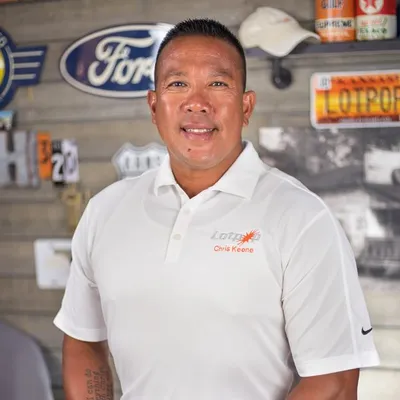
By Chris Keene, Coach at Lotpop. Chris Keene spent two decades running variable operations in franchise and independent stores before joining Lotpop as a coach. He reviews lead and inventory activity for dozens of dealer partners every week and co-hosts LotTalk. Connect with Chris on LinkedIn.
This week on LotTalk, John and I brought on Courtney Paschal, a CRM and lead-management trainer who works inside dealerships every day, several of them mutual clients of ours. Renaldo joined late, fresh off a dealer call and a dealership visit of his own. We gave Courtney three words of prep: quality versus quantity. She called it her favorite subject. Here's why.
Why Does Quantity Follow-Up Fail in Today's Market?
The data we keep seeing, three separate times now, says the average shopper sends 12 to 15 leads when they enter the market. So the moment a lead hits your CRM, a dozen other stores got one too. If your response is a canned email, you're sending the same thing they are.
Courtney shared a store she's about to clean up. Its email template literally reads “[insert specials, rebates, and incentives]” in brackets, and the team has been sending it to customers exactly like that for weeks. That's a team completing tasks to complete tasks. As she put it, saying you hit 100 activities today just means you were busy.
Templates do not build relationships. Templates fill a report.
What Does the Inventory Side Have to Do With Follow-Up?
Everything. Before Courtney came on, I pulled up two stores from the same auto group, same market, same dealer principal, same base processes. One is a Lotpop client, one isn't yet.
First-30 inventory is the fresh bucket, units 30 days old or newer, where cars sell fastest and at the highest gross. Vertical alignment is our term for managing inventory based on the lead activity it's getting (or not getting) and managing leads based on the inventory you actually have, not a calendar. Store B is doing both. Store A is letting aged cars soak up its opportunities while fresh units sit without attention. If you want the aging side of that story, read why your 60-day aging policy is still loose.
John's point for the season: the shopper counts climb in December and January. Do you want to enter spring with a lot full of price-cut aged units pulling customers toward your thinnest margins, or fresh inventory pulling them toward your best?
What Is a Why-Buy Message and When Do You Send It?
A why-buy message is a short, personal statement of why a customer should buy from you specifically, as an individual and as a dealership. Courtney asks dealers this question constantly, and the answer she dreads is “it's on our website.” Nobody reads it there, and your salespeople can't deliver what they don't believe.
Her fix is a canned introduction video from every salesperson. I boiled it down to four words: who, where, what, why. Who am I, where am I, what do I do, why do I do it, personally and professionally. Your years at the store, your Google rating, your favorite vehicle, your dogs, your coffee habit. Anything that gives the customer a hook to connect on.
The timing matters. Answer the customer's actual question first (is it available, does it have a sunroof). Then, within an hour, send the why-buy video. Every customer, every time. John added one more: have one from the GM or sales manager too, so if the rep is out when the customer arrives, there's a familiar face to ask for.
Two more ideas from Courtney that cost nothing:
- A QR code on your desk that says “Why buy from Courtney?” When you step away to pencil the deal, the customer scans your video instead of scrolling for a better price.
- An appointment confirmation video before they arrive: here's your car pulled up front, here's where to park, here's the front door, here's the receptionist, here's my desk. Renaldo's add: point the camera at the guys on the bench out front and tell the customer not to worry, nobody's going through their pockets. That's a joke with a purpose. John nailed why it works: shoppers spend 16 hours online building a picture of the visit, and the anxiety spikes the second they pull in. Show them the walk-in before they walk in.
Want a coach to walk your CRM and your lot with you?
We'll show you where your lead activity is actually landing, which fresh units are sitting without a touch, and which aged units are soaking up the opportunities your team should be working.
How Do You Follow Up When a Customer Goes Quiet?
Stop sending “just checking in.” Courtney sat with a team and had them send one typed message: “It's been a few days since I heard from you. Are you still interested in this [year make model], have your wants and needs changed, or have you purchased elsewhere? Either way, let me know.” Customers the team swore would never respond answered that day. It took five extra seconds over a template.
For the first few days, stay focused on the vehicle of interest. Once they ghost you, start showing options with a walk-around video of a comparable unit. John frames it as the Amazon “you might also like.” A switch lead is a lead on a vehicle you've since sold, where you still have a comparable unit on the lot. We coach a contact attempt every three days on in-stock leads and every five on switches. And if a dealer worries that options “confuse the customer,” Courtney's answer is simple: pull both up side by side, show the similarities and differences, and offer two appointment times. Urgency on both. Here is how LotWalk surfaces switch leads automatically.
Every one of those conversations should run a needs analysis. We use SPACED: safety, performance, appearance, comfort, economy, dependability. Find out why they picked that vehicle. Most reps either don't know to ask or know and don't do it. This is the quality part of quality follow-up, and it's the same discipline we covered in why your used car margins are compressing.
The Lotpop Weekly Action Plan Template
The same one-page action plan our coaches use with dealers every week. Put your fresh-unit lead activity, your switch leads, and your three-day and five-day contact cadence on a single sheet and work it daily.
Enter your email and we'll send the PDF straight to your inbox. No spam, ever.
Should AI Be Doing Your Follow-Up?
Renaldo came in hot on this one. He'd just left a dealer call where the store had handed its unresponsive leads to an AI tool and expected engagement to rise. His framing: artificial intelligence is not actionable intelligence. If you hate getting a bot text, why would your prospects feel differently?
Here's where I land, and I say this as someone who built a 14-store overview with AI that same morning. AI is a fantastic tool, and the people using it will outperform the people who aren't. But it still needed my hands on it. It needed the right questions to serve the right answers, and it needed a human to edit it before it went anywhere. Use AI to work faster. Don't use it to avoid the conversation a customer is waiting to have with a person.
Renaldo's own car-buying trip the day before proved the point. The rep answered his lead perfectly, fast and precise. Then Renaldo showed up, and nobody ever asked him to buy. Every step right except the one that pays.
What Is the Difference Between Transactional and Relational Selling?
Transactional selling treats each deal as a mark on the board. Relational selling treats each customer as a source of current and future earnings. Transactional leads to profit decay. Relational leads to repeat and referral, which is where Courtney started: we are in the people business, and relationships equal repeat and referral.
Her leadership test fits here. Ask every person on your staff: if you were the customer, would you buy from you? Everyone says yes because they're “nice.” Nice and kind are not the same thing. Kind shows up as a rep who listens to understand instead of listening to respond, who doesn't offer window tint three times after the customer said no. John's old GM used to walk prospective managers around the lot to see if they'd bend over and pick up trash. Same test. Do you treat this store like it's yours?
And Courtney's rule for every dealer she trains: she'll put in 49% of the work. The store has to put in 51. Training that isn't inspected, practiced, and held accountable is a check you wrote for nothing.
Get insights like this every week
Join the Insider Newsletter: inventory tactics, podcast recaps, and dealer strategies. No fluff.
The Bottom Line
Your lead is one of a dozen the customer sent, and a template cannot win that race. Answer their question, send a who-where-what-why video within the hour, and replace “checking in” with either/or questions that get a reply. Put your fresh inventory in front of your lead activity and stop letting aged units soak up your opportunities. AI can make all of this faster, but a human still has to build the relationship and ask for the business. Do that, and you won't have to keep cutting price to move cars.
Want a coach to walk your CRM and your lot with you? Book a demo. And if you suspect leads are falling through the cracks, start with how to fix dealership lead tracking.